
Live from London…
The NBA and IPL investors are among those with international ambitions that need big cultural commitments as well as cash. Can Saturday Night Live's transatlantic transplant offer unexpected context?

Sports leagues have set out for new territories in the 2020s.
For decades, this has meant selling into those markets: media rights, merchandise, brand partnerships, overseas games and events. Now, for some, it’s about buying.
Indian Premier League owners will make their mark in another franchise competition this summer when the likes of MI London and the Manchester Super Giants appear in the Hundred. Meanwhile, the NBA continues a multi-billion dollar push to make its European league happen – still bullish on the prospect of investment in a concept heavy on politicking and infrastructural commitment.
Those projects differ slightly in their intent and primary audience, though both are likely driven by the need for new sources of growth as the media rights market slows. And while satellite leagues and team brands are by no means unprecedented, these are still relatively untested ideas with much deeper cultural demands.
But parallels can be found in some funny places.
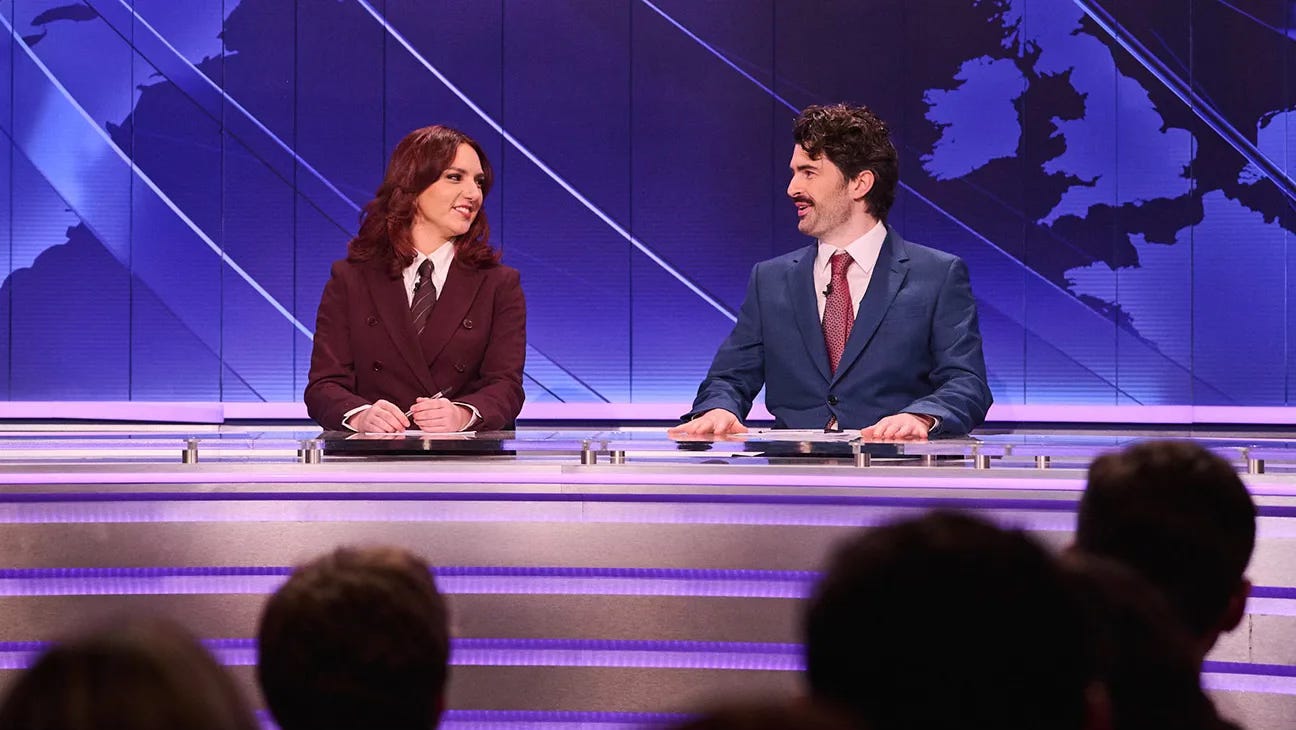
Ever since it was announced a year ago, I’ve been a little intrigued by the concept of Saturday Night Live UK.
Sky’s comedy and music show – closely modelled on the 50-year-old American original – has just concluded a surprisingly robust debut run. Ratings held steady enough for a renewal in the autumn. Reviews, meanwhile, have been pretty good: it is much better, and more locally inflected, than many critics had feared.
The model and the timing are interesting, both on their own terms and as a frame for other forms of cultural expansion – like those by, say, sports leagues.
Until this point, for English-speaking audiences outside the US, SNL has been a media export product – a more successful one in the age of YouTube. It is also a lynchpin of the American comedic economy.
Executive producer and creator Lorne Michaels has launched dozens of iconic stars through the odd, ritualised assembly of the show. In the 90s and 2000s he helped the likes of Mike Myers take breakout characters on feature-length adventures – spinning up and capitalising on original IP. Today, with comedy’s dominant media formats shifting online, SNL is a powerful generator of viral clips and cultural currency for its home network – Sky’s Comcast stablemate NBC.
Whether loved or loathed – and despite the inevitable fluctuations in quality of a live show written in a week – SNL is more lucrative and relevant than a late-night variety hour could reasonably expect. But with an 81-year-old Michaels nearing retirement, it wants to expand its profit margins and its horizons.
The UK, meanwhile, boasts a thriving but disordered comedy scene. Talent is plentiful but opportunities are receding, especially outside standup.
Festivals like the Edinburgh Fringe have grown too expensive for bootstrapped productions; budgets at Channel 4 and the BBC have been cut sharply. A rich national tradition of sketch comedy – Monty Python, The Fast Show, Goodness Gracious Me – has been supplanted by cheaper panel shows and series like Taskmaster, fronted by recognisable personalities and personas.
It’s important to acknowledge, then, that Sky and SNL are not just trying to transplant a format – not at an estimated $2.6 million an episode, anyway. This is an attempt to rewire the incentives of British comedy and buy a big chunk of its future.
The producers have underlined this in a couple of significant ways. The cast and writing team are a mix of unknowns and in-the-knowns – gigging performers and online creators marshalled by more experienced heads at the top. That sets it apart from another recent format import – the Amazon hit Last One Laughing, a do-not-break challenge game made with six hours of the time of some of the country’s most famous comedians.
Meanwhile, they’ve also given that creative unit the freedom to get very culturally specific and very, very weird – playing on the taxonomy of Irish grandads, the chilling origins of Mr Blobby, the time shift secrets of Jools Holland’s Hootenanny, or an unhinged British Pork ad from the mid-1980s. For all the synergistic touches – Tina Fey, the former SNL head writer and possible successor to Michaels, hosted on opening night – these are clear signals of trust.
Taken together, that has stirred a warm reception from much of the UK’s professional comedy community. Their message, more or less: “This might not be for you. If it is, great. If not, then it is a worthwhile thing that it exists.”
That may come to matter a lot as SNL UK pushes for scale in future seasons – more coherent digital distribution; transatlantic guest appearances; a possible free-to-air slot if Sky completes a mooted takeover of ITV.
It’s dangerous to draw too many direct comparisons between sport and the creative industries in a case like this. SNL UK could yet fail or fade away and even if it succeeds, the outlays, timelines and potential returns for investors are structured very differently. Even so, one central challenge remains the same.
Beyond the money, why are you here?
Red and done
In April 2021, about 3,000 Arsenal supporters massed in front of the Emirates Stadium, shortly before a home defeat to Everton. Pandemic restrictions still prevented any of them from going inside to watch – this was probably the largest gathering many had attended in over a year.
They were protesting the ownership of the Kroenke family – years of complacent stewardship and poor performance, and an embarrassing dalliance with the European Super League breakaway. The leadership pleaded their involvement with that project stemmed from a ‘desire to protect Arsenal, the club you love’ by ensuring ‘financial stability’. But the move seemed borne more of entitlement than accountability.
On Tuesday night, many, many times more fans flooded those same surrounding streets to celebrate Arsenal’s first Premier League title win in 22 years. Half a decade of meticulous planning, progress, pain and perseverance gave way to a spontaneous rush of relief and communal joy.
Arsenal have got a few things wrong since that Covid-era demonstration – some worse than others – and following them comes with the compromises of Premier League fandom in 2026. But the smart, sensitive and creative rebuild of their relationship with their community is commendable; its results impossible to deny.
Success helps – and in sport, it heals. Still, five years ago those protesters were demanding a part of their identity back. This week – in every way imaginable – they have revelled in something that feels like it is theirs again.
I’m hoping to write a little more on it all in a couple of weeks but that thought crystallised most amid all the wild emotion of the past few days.
Sport can move thousands of people at once. That is a power to take seriously.
Stray observations
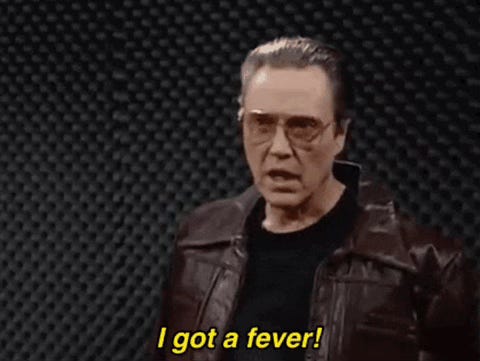
The music industry has broken out in a nasty rash.
‘Blue dot fever’ is the name given to a proliferation of unsold seats for major concerts on ticketing portals (specifically Ticketmaster, where available spots show up blue on ticketing charts). Acts including Post Malone and Jelly Roll, the Pussycat Dolls, Zayn Malik and Meghan Trainor have delayed, cancelled or scaled back their North American tours.
The simplest explanation for this is that the tickets are too expensive. The more complex one involves misreading recent outliers like Oasis and Taylor Swift, underestimating the financial pressures on fans, overestimating the appeal of some older acts, and being highly dependent on touring revenues in the age of streaming.
Big players like Live Nation have played down the trend but whether demand is more elastic than once believed, or fans have simply snapped, it all sounds like something sports teams and event operators should be listening in on.
Broadcast trends to watch: rights holders getting their free-to-air commitments in writing…
The BBC are about to let the balls see the pockets, with Paddy McGuinness and Stephen Hendry fronting a reboot of 90s snooker gameshow Big Break.
Its prospects look decent, with the successful revival of Gladiators restoring confidence in family format telly. We could well be in a bull market for familiar sports entertainment ideas…
CBeebies Bedtime Stories, Bargain Hunt, The One Show and a very special episode of The Archers: a rollicking promotional run for the ICC Women’s T20 World Cup.
Overshadowed by the angry leaks, but this is just so good…
One last thing
Arsenal weren’t the only big winners in English football this week – and I know I wasn’t the only person in the sports industry or media thinking of our late friend Matt Cutler as Aston Villa romped to UEFA Europa League glory in Istanbul.
He’d have loved it. And he’d have told us. And we miss him dearly.
Here’s to you, mate.